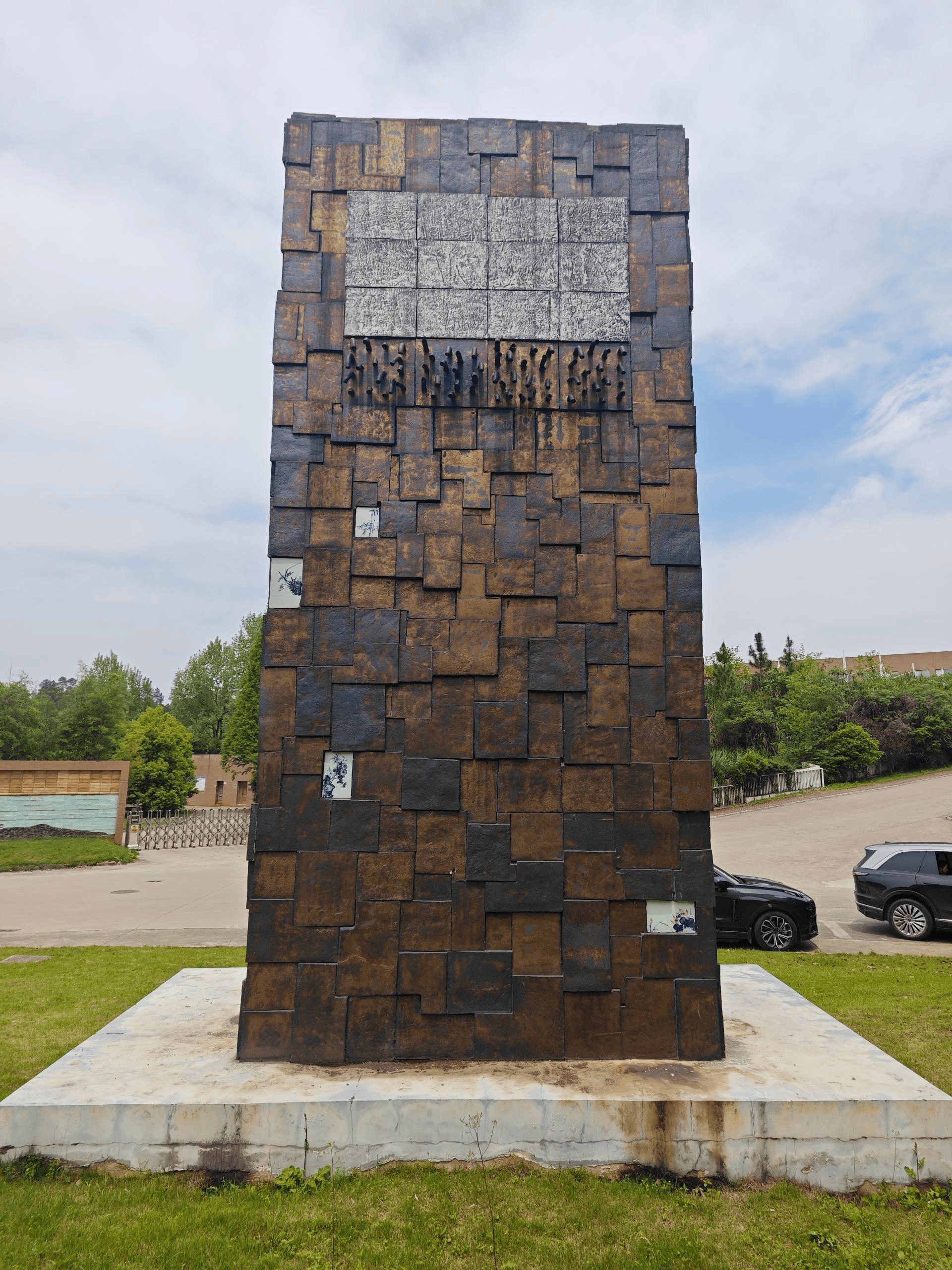
Clay statue reflects a exceptional field style with a enduring history, spanning back legions of years. From ancient receptacles to present-day installations, the substance offers exceptional possibilities for creative expression. Craftsmen use wide-ranging techniques – including hand-building, wheel shaping, and developed firing processes – to craft humble silt into compelling three-dimensional forms. The endurance of fired porcelain also contributes to its status as a truly consequential part of human culture.
Examining Earthenware Shield Layouts and Ways
The sector of ceramic plaque design offers a wide array of artistic possibilities. Craftsmen often adopt a amalgamation of conventional and current techniques to craft visually remarkable pieces. These can stretch from simple, molded reliefs to complex, multi-layered assemblies. Frequently used methods include form mold, hand crafting, finishing glaze – which can involve an array of genres like pre-firing decoration, top glaze design, and incised illustration where designs are unmasked by stripping a layer of varnish. Extra examination into external finishes such as rapid firing and sheen enhancement can result in truly distinctive and personalized brick signs.
- Template Making - Constructing pieces using a pattern
- Sculpting by hand - Manually manipulating the terracotta
- Varnishing - Layering the face with a glass-like finish
- Scraped detail - Showing designs by abrading coatings
Fascinating Experiences: Stoneware Art Presentations
The developing landscape of imagination presents exciting contemporary avenues for participants, and ceramic art installations are at the forefront of this transition. These aren't just static objects; they are designed to envelop the participant in a sensory setting. Imagine walking through a forest of towering, decorated ceramic trees, or navigating a network of refined ceramic vessels. Many craftsmen are now incorporating audio, illumination, and even fragrance to enhance the vibe of their work. Picture the power of a room filled with hundreds of carefully ceramic artifacts, each telling a chronicle. Often, such installations analyze themes of the earth, history, and the individual.
- The mentioned installations blur the divisions between statue and structure.
- Interacting with a ceramic art installation can be a deeply moving journey.
- Artists are expanding the extents of what is attainable with clay.
Each Charm of the Brick Container: Significance and Shape
The porcelain vase represents a admirable union of functionality and decorative appeal. Historically, these vessels served a minimalist assignment in containing substances, but their expansion has transformed them into highly valued works of design. Each component showcases the skill of the artist, demonstrating how outline can be as important as use. The attentive shaping, the rare glazes, and the general presence of a skillfully-formed receptacle can elevate a space, offering both charm and a reserved reminder of the human hand.
Current Earthenware Figure : Broadening Limits
Current stoneware figure represents a fascinating development from traditional practices. Makers are energetically challenging with modern strategies, blurring the frontiers between design and different artistic mediums. From expansive installations to fine miniature pieces, aforementioned works analyze themes of heritage while coincidingly remaking the foundational of what brick can be. The resulting is a dynamic field of artistic design.
Clay Tablet: Safeguarding History in Clay
Ceramic plaques offer a unique method for noting significant events and souls. Distinguished from traditional metal or stone markers, these hardwearing pieces of handiwork are formed from heated clay, creating a palpable ceramic sculpture link to the yesteryear. Commonly, they depict intricate sculptures or meticulously crafted imagery, telling stories that might otherwise be passed over. One technique, linked to ancient tribes, provides a stunning and enduring way to honor our collective record.
- The described can be located in shared spaces.
- Many are now accepted historical remnants.
Earthenware Art Displays: Transforming Sites
Porcelain art installations are becoming a powerful medium for makers to reinvent public and private venues. These immersive projects frequently involve extensive clay objects that draw viewers, transforming their experience of the developed environment. By applying diverse methods like fabricated molding and detailed firing processes, ceramic artists assemble truly remarkable experiences, overlapping the edges between art and building. The effect is often a touching change that uplifts the artistic quality of the environment and initiates exchange.
Outset Turning Device to Awe: The Skill of the Brick Urn
The journey of a brick container from a simple lump of dirt to a elegant work of composition is a testament to human creativity. Customarily, the process starts with the potter’s spin wheel, where the experienced artisan builds the circling material into a cylindrical configuration. This first period demands skilfulness and a trained eye, followed by a delicate solidifying period. Once partially baked, the urn is ready for finishing, which may include coating intricate elements, engraving detailed depictions, or implementing a variety of varnishes. The ending firing process then changes the creation into a durable and pleasing vase, a tangible manifestation of the artist's passion.
Sculpting with Ceramic Material: A Handbook to Porcelain Art
Exploring the domain of stoneware composition begins with understanding the fundamentals of carving with stoneware. The aforementioned approach comprises thoughtfully layering and taking away components to make three-dimensional models. If you're a neophyte or a seasoned artist, playing with assorted sorts of pottery – for example ceramic – will support you detect your original signature. At last, terracotta carving is a fruitful process that joins expert talent with inventive demonstration.