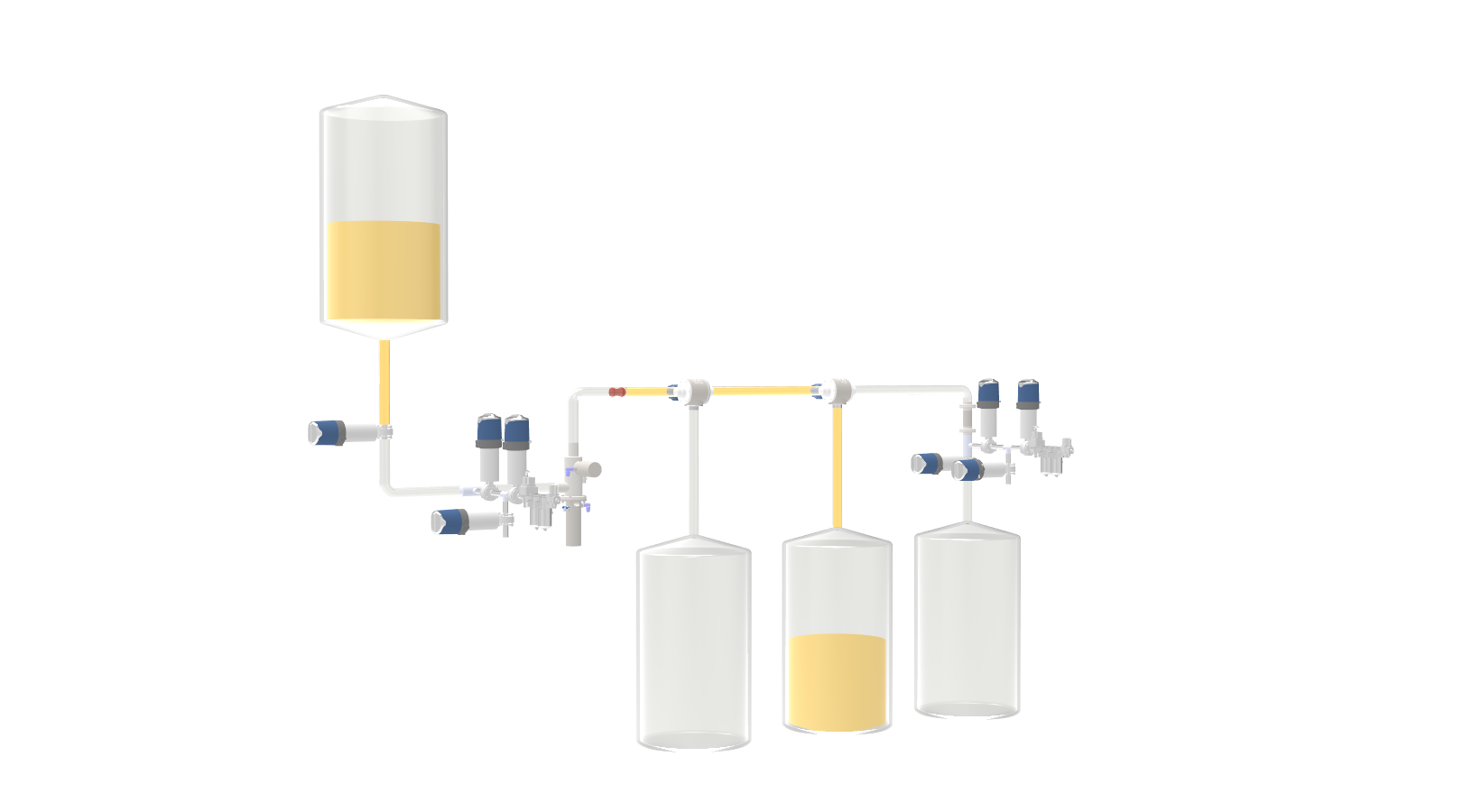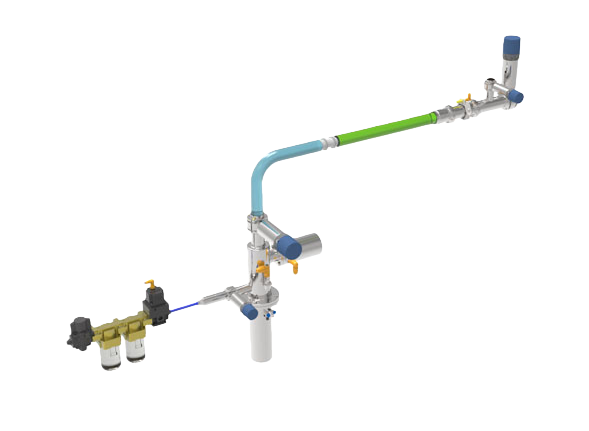
Augmenting data capacity calls for detailed regulation of Pig momentum.
Definite Channel Pig Rate Management: One Practical Roadmap
Obtaining best pig momentum is imperative for successful pipeline cleaning. Overseeing pig navigation faithfully involves a detailed cognizance of assorted factors, encompassing pipeline structure, pig construction, and compound attributes. This manual explores workable tactics for optimizing pig speed, involving issues like launching pressure, capture pressure, and the result of retropulsion. pig speed in pipeline Ultimately, stable pig speed governance leads to improved system health and cut active expenses.Parameters Shaping Pigging System Movement
Diverse vital factors affect the cadence at which a pig progresses through a tube. Head pressure, both the front and trailing, is a significant motivator; a higher pressure differential typically yields a faster pigging velocity. The cross-section of the pipe also plays a purpose, with larger diameters opening for amplified pig timings. Furthermore, the device's build, including its extent and form, immediately determines its journey. Finally, the level of build-up and the granularity of the pipe interior can induce inhibition, inhibiting pigging timing.
Maintaining Ideal Pig Motion in Pipelines
Validating dependable pig flow within process frameworks is essential for productive capacity. Several elements influence fluid momentum, including pipe size, stress, and element thickness. Periodic evaluation of medium timing and prompt alteration of working configurations are indispensable to avoid buildups and safeguard ideal output.
Handling Pig Velocity: Vital to Thorough Pipeline Treatment
Accurately supervising cleaning timing is absolutely important for ensuring a complete pipeline process. Overly rapid a velocity can weaken the network, while lethargic a flow may obstruct eradicating all dirt. Therefore, detailed refinement of the cleaning device's functional cadence is mandatory to and system integrity and maintenance quality.
That Result of Pig Pace on Pipeline Pigging Tasks
An pace of the device significantly influences the effectiveness of pipeline pigging events. A tempered timing may encourage for more comprehensive residue removal, particularly in challenging pipeline areas, but can extend the overall activity term and likely increase functional charges. Conversely, a faster flow can advance the treatment sequence, minimizing stretch and expenditure, however, it threatens a superficial cleaning and can potentially degrade the network. Therefore, fine-tuning pig flow requires precise analysis of pipeline properties, medium traits, and desired goals.
Upkeep Apparatus Speed: Superior Techniques and Troubleshooting
Upgrading servicing setup flow is indispensable for maximizing capability and preventing lags. Commonly, acceptable treatment velocity ranges extending over a range of scales per time period, although this can vary depending on system bore, element kind, and unit structure. If subject to slow cleaning timing, check factors such as exaggerated resistance from accumulation, damaged apparatus components, or constrictions within the duct. Regular servicing, including unit examination and waste removal, is crucial to retain reliable maintenance timing and complete structure health.
Recognizing Pipeline Pig Timing and its Consequences
An cadence at which a pig traverses a pipe is a essential factor impacting output and security. Accelerated pace can trigger excessive drag, potentially leading to enhanced draw and even early damage of the apparatus itself, as well as the channel. Conversely, tardy rate might cause partial sanitation, protracted breaks, and a deterioration in overall flow rate. Therefore, accurate calculation and steady monitoring of pig cadence are required for refining pipeline performance and mitigating costly malfunctions.
State-of-the-art Practices for Pig Timing Supervision
Perfecting animal units velocity during troughing presents a crucial challenge for current ranchers. Employing modern plans like immediate measurement of singular creature's intake and utilizing accurate nourishment management systems can notably curtail instances of overindulgence and strengthen overall cluster effectiveness. Furthermore, blending behavioral monitoring with ambient condition control – such as tuning thermal levels and brightness – provides useful insights for upgrading animal units momentum standards and encouraging a more balanced increase duration.