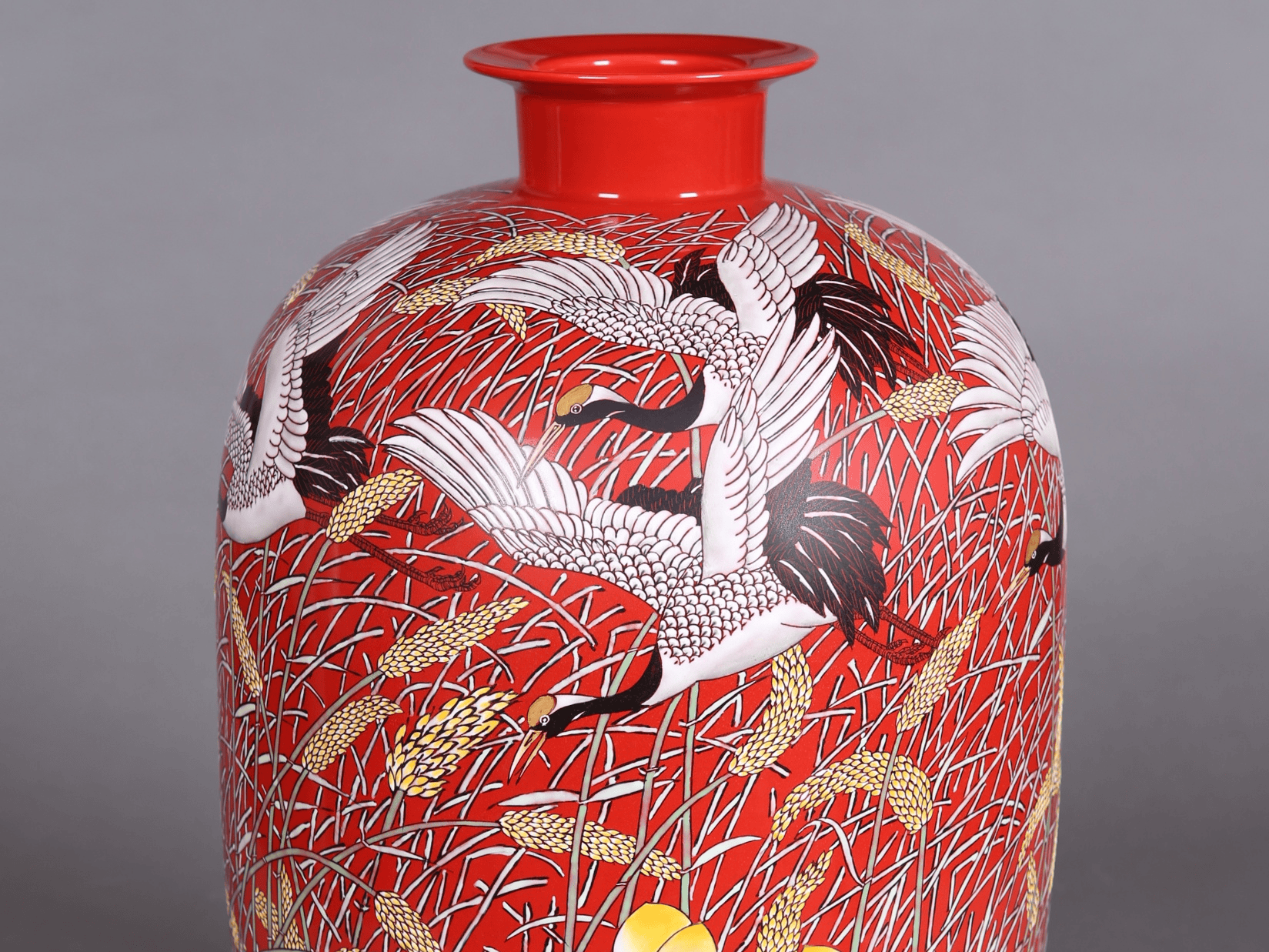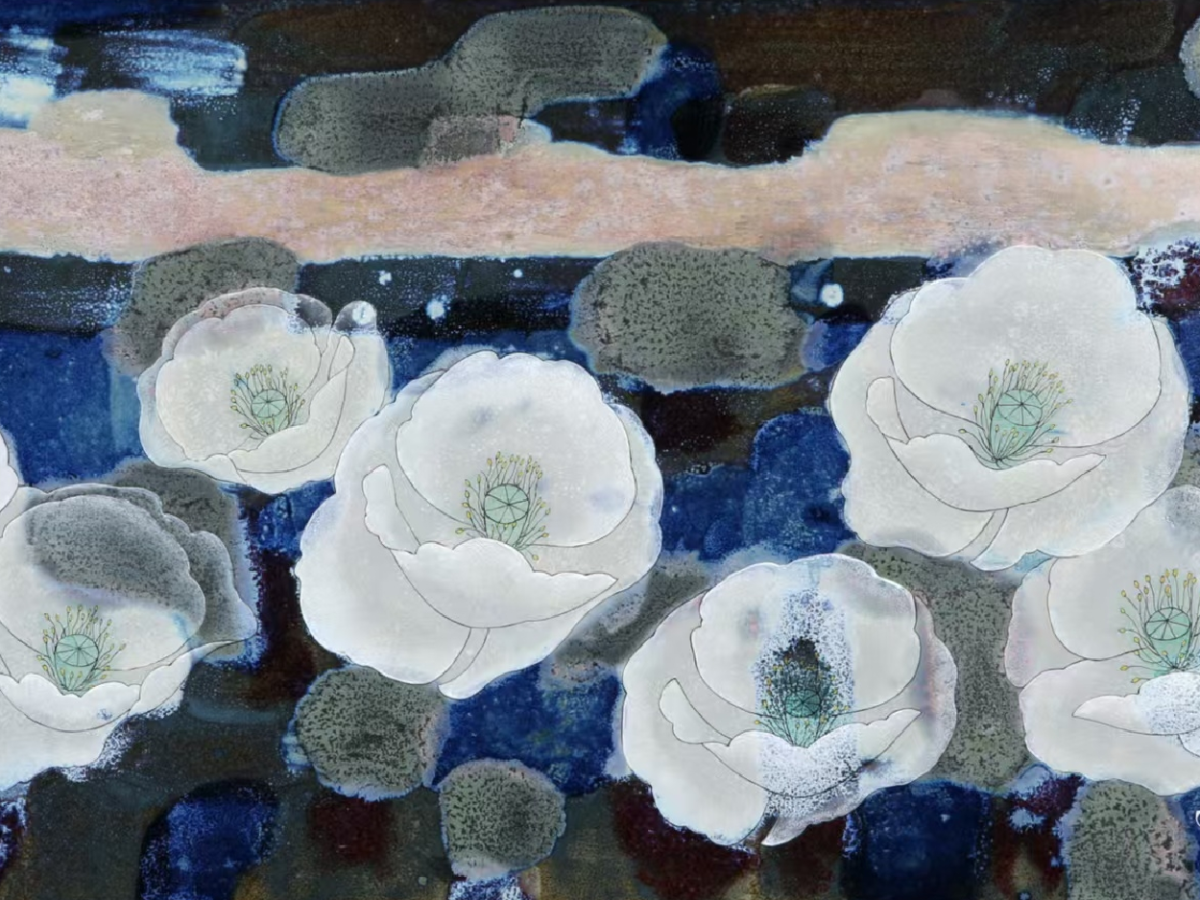
Pottery model expresses a notable practice variety with a prolonged chronicle, traveling back countless of ages. From ancient jars to modern displays, the element offers peerless possibilities for creative rendering. Makers practice assorted techniques – including coiling, wheel turning, and developed firing processes – to fashion humble silt into beautiful three-dimensional creations. The resilience of fired stoneware also contributes to its status as a truly memorable part of human custom.
Researching Ceramic Tile Patterns and Processes
The domain of ceramic marker design offers a extensive array of expressive possibilities. Makers often engage a assortment of established and innovative techniques to develop visually bold pieces. These can move from simple, hand-carved reliefs to complex, multi-layered compositions. Common methods include the slip cast process, hand shaping, enameling – which can involve different methods like primary coloration, decoration on top of the glaze, and scratched decoration where designs are exposed by taking away a layer of coating. Additional exploration into finishing techniques such as raku firing and pearlescent coating can offer truly special and bespoke stoneware tiles.
- Slip Casting - Generating pieces using a design
- Artisanal Molding - Carefully molding the earth
- Glaze Application - Finishing the overlay with a glassy finish
- Sgraffito - Highlighting designs by peeling off coatings
Fascinating Experiences: Terracotta Art Displays
The evolving landscape of visual arts presents exciting original avenues for viewers, and ceramic art installations are at the pinnacle of this wave. These aren't just static sculptures; they are fashioned to envelop the visitor in a sensory space. Imagine moving inside a forest of towering, textured ceramic trees, or navigating a cluster of intricate ceramic vessels. Many producers are now incorporating tones, light, and even essence to enhance the sensation of their work. Reflect on the power of a room filled with hundreds of uniquely ceramic forms, each telling a tale. Habitually, such installations examine themes of flora and fauna, remembrance, and the collective.
- Those installations blur the thresholds between work and venue.
- Observing a ceramic art installation can be a deeply transformative journey.
- Designers are advancing the parameters of what is doable with clay.
A Splendor of the Ceramic Urn: Significance and Shape
The porcelain vase represents a admirable amalgamation of utility and expressive appeal. Historically, these pots served a basic function in preserving liquids, but their growth has transformed them into highly valued works of handiwork. Each item showcases the proficiency of the sculptor, demonstrating how profile can be as crucial as utility. The exact shaping, the unique glazes, and the complete presence of a exquisitely-finished vessel can enhance a space, offering both grace and a reserved reminder of the designer’s hand.
Current Earthenware Figure : Testing Boundaries
Current earthenware creation represents a fascinating movement from ancestral practices. Artists are increasingly exploring with fresh tactics, overlapping the borders between craft and other creative mediums. From large installations to detailed miniature pieces, these kinds of works delve into themes of persona while parallelly remodeling the fundamental of what terracotta can realize. The byproduct is a active environment of inspired presentation.
Terracotta Panel: Guarding Legacy in Porcelain
Earthenware plaques offer a special method for memorializing significant events and individuals. Compared to traditional metal or stone markers, these long-lasting pieces of art are formed from processed clay, creating a substantial link to the earlier period. Habitually, they present Travel Cup intricate embossments or artistically decorated imagery, illustrating stories that might otherwise be forgotten. An technique, rooted in ancient folk, provides a captivating and enduring way to commemorate our collective record.
- The described can be located in shared spaces.
- Many are now recognized historical remnants.
Earthenware Art Displays: Modifying Settings
Clay art installations are emerging a potent medium for designers to reshape public and private sites. These immersive creations frequently involve expansive clay models that involve viewers, shifting their awareness of the created environment. By incorporating diverse ways like slab forming and comprehensive firing systems, ceramic artists produce truly extraordinary experiences, challenging the thresholds between craft and architecture. The product is often a moving conversion that enhances the creative quality of the setting and initiates reflection.
Genesis Spinning Device to Delight: The Technique of the Terracotta Pot
The journey of a terracotta vase from a simple lump of mud to a finished work of creation is a testament to human craftsmanship. Conventionally, the process commences with the potter’s spinning device, where the masterful artisan shapes the whirling loam into a cylindrical structure. This beginning stage demands exactness and a perceptive eye, followed by a delicate drying period. Once initially cooked, the receptacle is ready for embellishment, which may engage decorating intricate designs, sculpting detailed portraits, or applying a range of layers. The definitive baking process then modifies the product into a durable and eye-catching pot, a tangible manifestation of the artist's passion.
Pottery with Pottery: A Handbook to Porcelain Art
Exploring the domain of stoneware composition begins with recognizing the basics of modeling with pottery. That approach comprises carefully building and reducing matter to fashion three-dimensional artifacts. Regardless of you're a apprentice or a accomplished designer, working with different types of clay – like stoneware – will assist you find your distinctive voice. In the end, clay working is a satisfying exploration that unites practical expertise with imaginative expression.