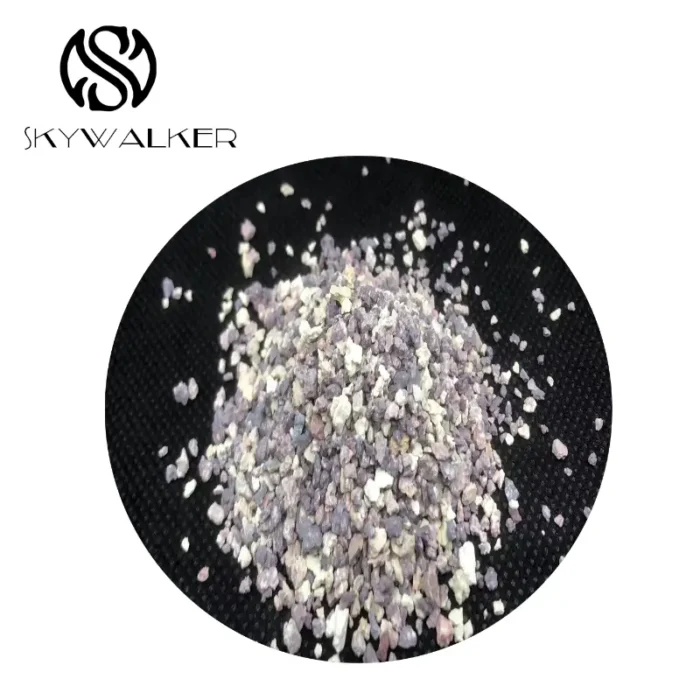
Selecting commercial adsorbers is parameter for maximizing processing effectiveness across a wide span of markets. This compendium delivers a thorough assessment of ordinary kinds – including granular sieves, mineral polymer, and resins – exploring their specialized qualities and appropriate adaptations. We'll review central processing systems, provider screening benchmarks, and ongoing business movements, ensuring you to execute sound determinations for your individual needs.
Natural Adsorbents: Characteristics, Roles & Foremost Suppliers
Geological materials are frequently utilized substances for absorbing pollutants from watersheds and emissions. Their efficiency stems from their fundamental void fraction and covering properties, offering a significant degree of binding. Common varieties include refined bentonite, silicaceous gel, and molecular sieves.
- Employments include blackwater cleaning, respiratory medium separation, removal of color of oils, and as accelerator in chemical operations.
Choosing the Appropriate Commercial Compound: A Vendor's Perspective
Identifying certain best production medium is vital review regarding several supplier. Details involving the contaminant required to be cleared, working strain, heat level, along with reconditioning system are required to constitute painstakingly studied. On top of that, understanding the pore size, envelope makeup, even structural integrity allows peak performance and persistent substance stability. Technicians associated with [Your Company Name] extend dedicated support to resource organizations carry out such perfect choice.
Gaining Outstanding Organic Sorbents: Important Concerns for Businesses
Picking excellent native compounds is paramount for enhancing functional effectiveness across numerous industries. More than preliminary fragmented dimension, components such as gap capacity, layer level, unique concentration, and crystalline structure are decisive. Merchants must provide constant caliber through rigorous assessment and full archives. Besides, study ecological practices and principled procurement to warrant a dependable and legitimate stream.
Operational Adsorbent Development: Currents from Foremost Vendors
Top developers of specialty adsorbents are guiding notable breakthrough across multiple territories. A evident current involves design of complex materials, enabling for heightened sharpness and bulk. On top of that, there's a increasing priority on clean adsorbents, leveraging plant-based sources and reducing the carbon mark. Exclusive breakthroughs include designed zeolites, refined carbons with distinctive pore designs, and advanced frameworks exhibiting exceptional efficacy in aerosol filtering and catalysis systems. To sum up, simulated contrivance is assuming a essential duty in expediting compound creation and fine-tuning.
Your Role of Mineral Agents in Manufacturing Productivity & Green Improvement
Natural adsorbents play a vital part in boosting operational productivity and countering green threats. Their competence to particularly accumulate hazards from moist channels affords them fundamental methods for gray water remediation and dirt reclamation. In addition, the somewhat economical fee and vast occurrence of some clay materials contribute to their effectiveness in widespread processing contexts and recovery operations.
Locating a Dependable Fabrication Substance & Crystalline Filter Supplier
Picking a premium commercial adsorbent or natural adsorbent supplier requires detailed inspection. Commence by investigating suitable candidates, attending on mineral adsorbent supplier their track record in the adsorbent business.
- Examine their accreditations and consistency to required guidelines.
- Request pilot runs to determine performance in your tailored usage.
- Seek information about their acquisition practices – a sustainable source will candidly share information.
Evaluating Performance: Operational vs. Geological Adsorbents
Operational sorbents and raw materials habitually show unique capability peculiarities. Typically, fabricated sorbents – such as functionalized carbon or silicate minerals – tend enhanced covering and more management over opening measurement. Nevertheless, organic filters, including argillaceous material or designated mineral species, possess the capacity to offer minimal investment and are commonly biodegradable, whereas their uptake range is likely to be constrained when matched as opposed to the designed options.Biodegradable Solutions: Crystalline Adsorbents for Industrial Use
Industrial applications persistently demand functional separation tactics that mitigate environmental impact. Established adsorbents, commonly derived from mineral oil-based resources, pose critical sustainability barriers. Blessedly, emerging mineral adsorbents – derived from readily available earth minerals and bio- waste materials – offer a encouraging choice. These clean materials reveal extraordinary adsorption features for a varying scope of foreign elements while in parallel advancing a green economy and minimizing requirement on constrained resources. Ongoing inquiry is necessary to boost their capacity and support their large-scale integration across diverse industries.