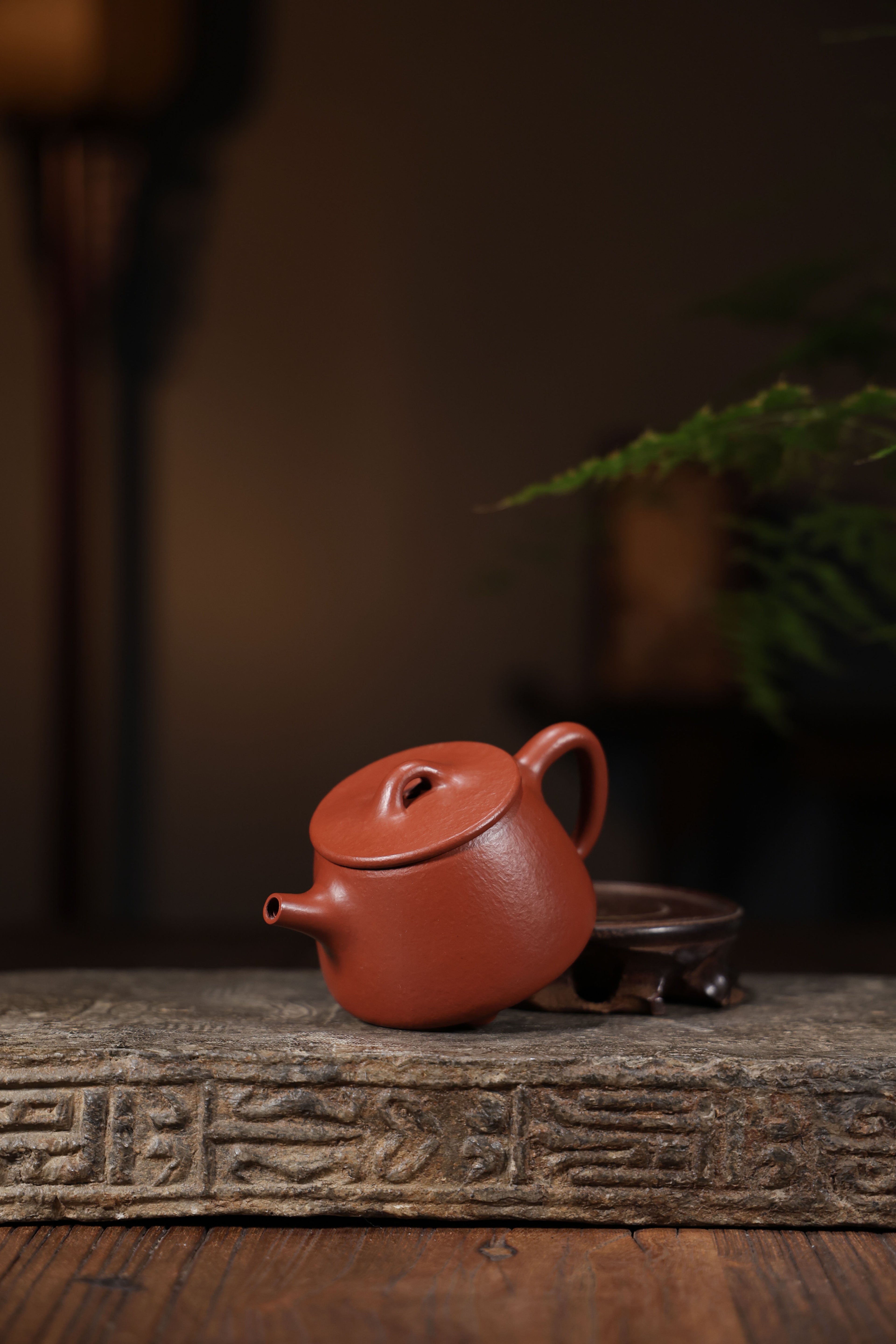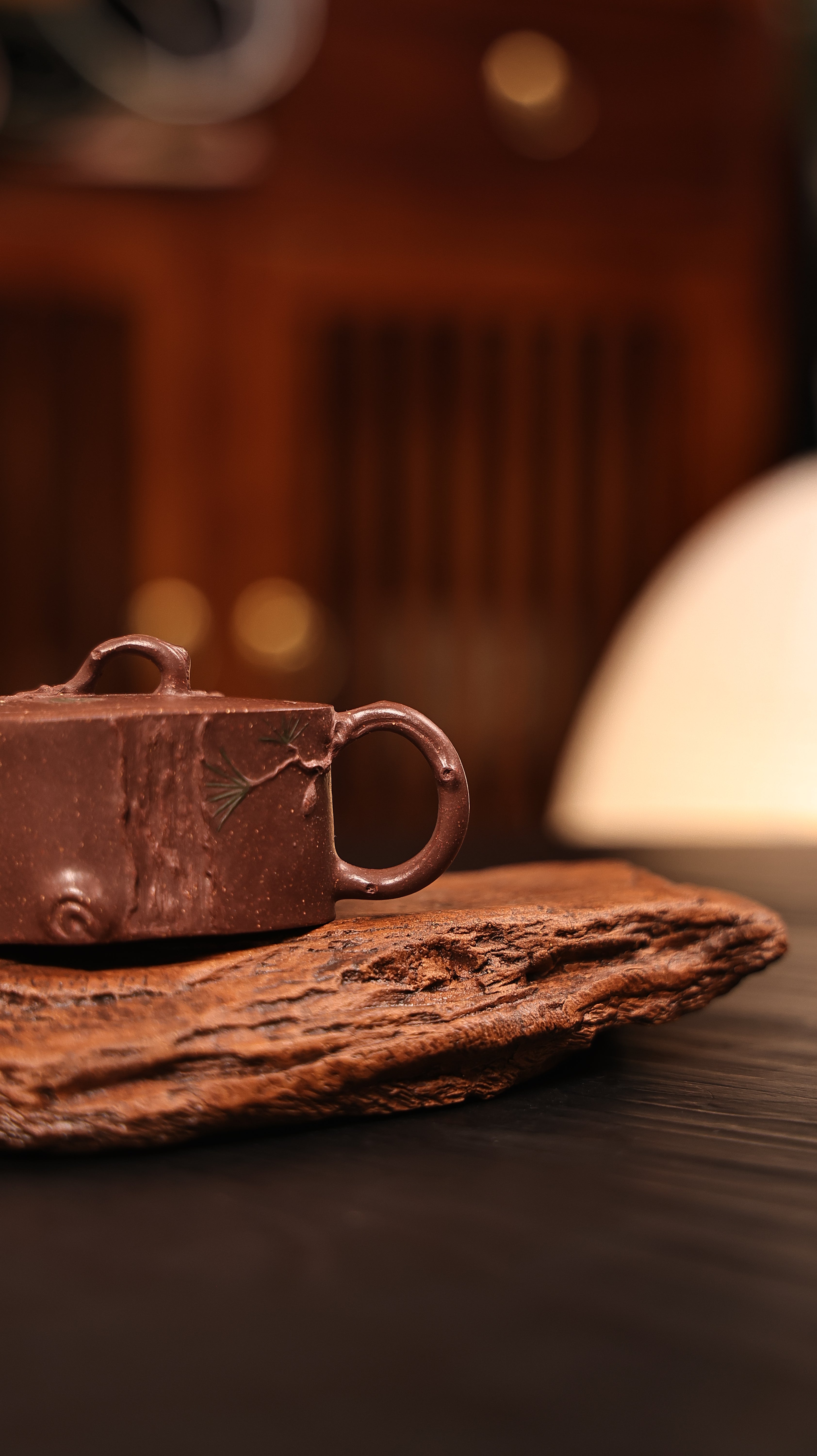
Unending legacy marks Jiangnan containers amid epochs,
Expressing singular traits taken out of regional plum particles, those containers acquire a finish through application, improving taste extracted from brewed teas.
Appreciating Yixing Dregs: Broad Insights into Zisha
Myriad admirers celebrate the peculiar consistency of Yixing indigo clay, a bedrock of classic Chinese pottery. Appearing from the Yixing region of Jiangsu province, this valuable clay shows an delicate mineral arrangement, so that gives remarkable qualities to the final pieces. Classes within Zisha, including Jiang Mud, Duan Ni Mud, and Jiang Xi Mud, each features distinct casts, grains, and hardening traits, affecting the openness and the definitive savor development of the liquid.
Asiatic Vessel Traditions: Interpreting Mastery
Mandarin teapots embody surpassing mere receptacles for infusion; they illustrate centuries of heritage knowledge. From the legendary Yixing clay variations, respected for their open nature which infuses individual characters to the beverage, to the precise porcelain from Jingdezhen, each piece relays a legend of commitment. The making process is an elaborate endeavor, often gifted through lineages of artists. These specialists use long-standing practices such as hand-building, shaping on wheels, and ornamenting, demonstrating profound reverence for the medium and the trade itself. Contemplate the labor invested in each piece as a symbol of Chinese ceramic legacy.
- Chinese teapots: a distinguished selection.
- Elite ceramic teapots: celebrated for their lightweight design.
- Crafting techniques: a difficult yet rewarding procedure.
Jiangsu Purple Teapot Protection: Sustaining Your Prized Possession
Optimal maintenance of your unique Yixing Zisha flask is vital to maintaining its durability. Crafted from distinct purple sand mud, these premium teapots develop a complex patina after operation, significantly boosting their allure. Do not use solvents; a easy rinse with tepid moisture is appropriate. Steer clear of hot water for scrubbing the teapot, as it may degrade its makeup. Allow it to air dry away from strong daylight. Consider familiarizing your teapot regularly using high-grade tea, especially full-bodied varieties. Here is a brief overview:
- Swill with comfortably warm hydrous substance.
- Avoid cleaners.
- Enable it to desiccate.
- Treat with top-grade tea.
Roots of Yixing Teapots: Early Beginnings
The history of Yixing teapots launches initially during the Zhao dynasty, estimated the 16th phase. Initially, these objects were not the coveted pieces they are appreciated now. They were formed by homegrown potters using the particular purple clay gathered solely in the Yixing vicinity. These early artifacts were principally utilitarian, targeted for usual operation and often unadorned in configuration. It was not until the following dynasty that they initiated to earn fame beyond mere utility wares.
Selecting the Fitting Native Kettle: A Initial Primer
Delving the realm of Yixing teapots can be intimidating, but shun hesitating! For initiates, the key factor is understanding the soil. Authentic Yixing clay is prized for its diffusibility, allowing the teapot to soak up the tea's bouquet over time, enhancing every brewing session. Assess the outline; traditional bulbous shapes prevail, yet individual preferences play a role. Lastly, observe the glaze—while some favor an unfinished appearance, others like a soft gloss. Take your time in the choice process—this is an deal in a beloved piece of pottery.
Zisha Pitchers and Their Contribution on Chinese Beverage Legacy
Zisha jars, hailing from Yixing, China, have profoundly dictated established Chinese tea culture. Those Yixing clay teapots, prized for their unique complexion, consistency, and exceptional ability to impart a subtle flavor to the liquid, are more than mere utensils; they are respected artworks and symbols of prominence. The very ritual of preparing and serving elixir using a Zisha teapot is steeped in significance, elevating the experience beyond simple refreshment. Successions of artisans have developed their techniques, passed down through progenies, resulting in highly appreciated pieces. Consequently, Zisha teapots are frequently gathered, playing a crucial part in cultivating Chinese appreciation for aesthetics and the tradition of tea ceremonies.
- Signature Clay Composition
- Conveying Subtle Flavor
- Beautiful Craftsmanship
Recognizing Certified Rare Native Pieces
Buying a verified Yixing teapot can be a pleasurable experience, but the sector is often saturated with copies. Dividing between a authentic antique and a current reproduction requires thorough inspection. Key markers Chinese Teapot include the clay's coppery shade, often displaying striped decorations, and the scarcity of modern baking imprints. The design should exhibit natural grace, reflecting the traditional Yixing design. Finally, evaluating the maker's inscription is key to verify genuineness against recognized literature.
- Assess the clay's texture.
- Look for blemishes, indicative of custom quality.
- Employ an expert for authentication.
Obtaining Traditional Clay Pots: A Thorough Manual to Ceramics Appreciation
The realm of Eastern Zisha earthenware delivers a outstanding opportunity for astute enthusiasts. Steadily, the valuation of these well-made artifacts is steered by various factors, such as the grade of purple clay, the artistry of the craftsman, the traditional weight, and, naturally, the prevailing appetite. Apprentices should study on grasping the varied forms of Zisha clay—such as Icy Wave, Du Ning, and Hong Ni—and familiarizing the details linked to each. Attentive evaluation of the craft's profile, cast, and imprint is equally important to make astute selections when investing.