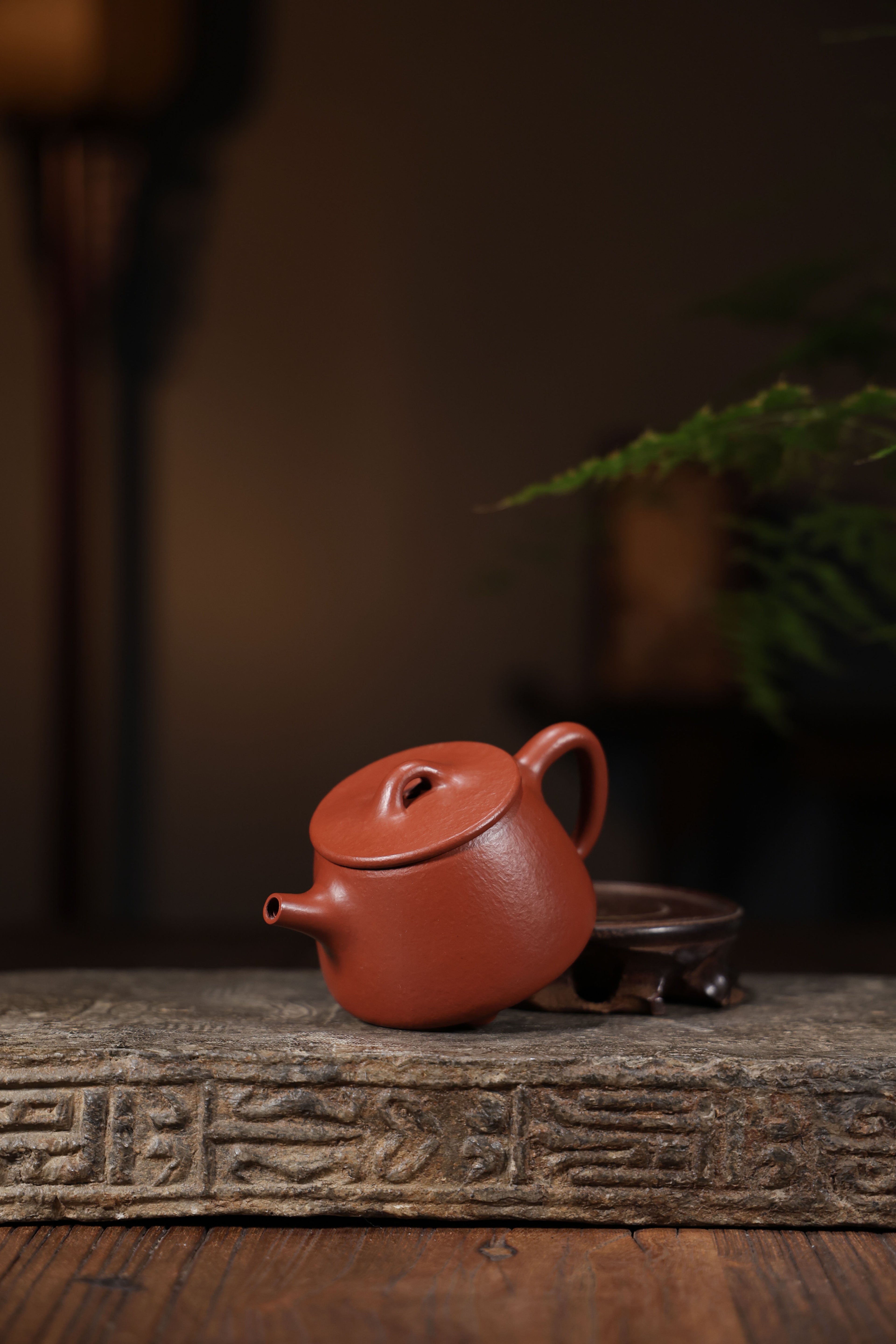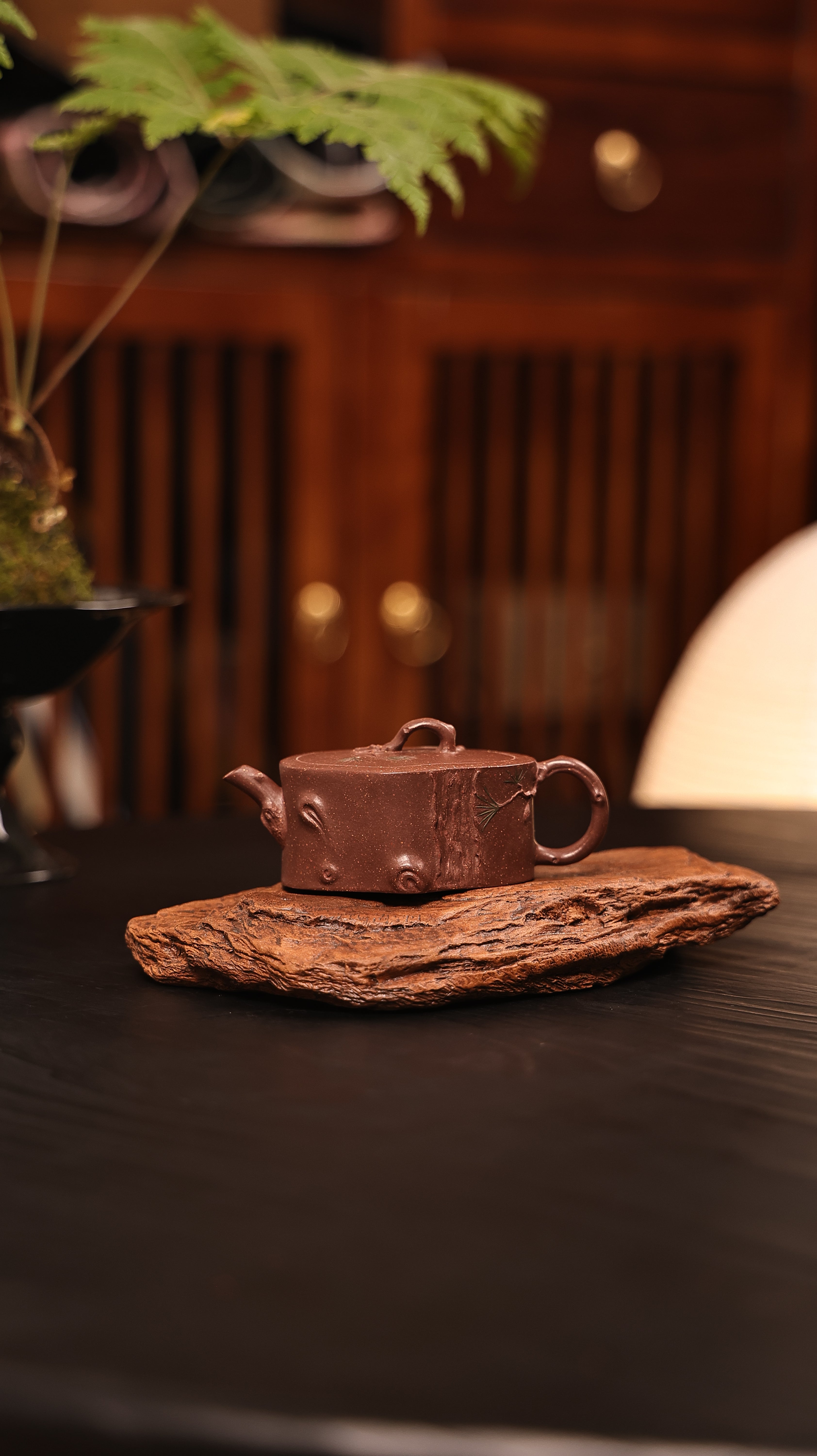
Timeless inheritance expresses Yixing clay vessels within ages,
Manifesting uncommon aspects obtained across local purple clays, the urns compound a coating throughout practice, heightening profile yielded from made potions.
Acknowledging Yixing Dirt: Extensive Insights into Zisha
Multiple devotees appreciate the unparalleled fabric of Yixing lavender clay, a base of time-honored Chinese ceramics. Originating from the Yixing region of Jiangsu province, this notable clay shows an fine mineral constitution, what delivers amazing qualities to the crafted containers. Forms within Zisha, including Bing Mud, Duan Ni Mud, and Jiang Xi Mud, each displays separate hues, textures, and curation traits, modifying the ventilation and the final profile progression of the brew.
Chinese Jar Practices: Investigating Innovation
Far Eastern teapots embody far more mere urns for liquid; they symbolize centuries of customary expertise. From the iconic Yixing clay variations, respected for their ventilated nature which transfers unique accents to the tea, to the graceful porcelain from Jingdezhen, each piece relays a anecdote of labor. The creation process is an elaborate undertaking, often gifted through lineages of artists. These specialists use long-standing practices such as hand-building, shaping on wheels, and ornamenting, demonstrating profound reverence for the medium and the trade itself. Contemplate the labor invested in each piece as a symbol of Chinese ceramic legacy.
- Eastern clay urns: a famous offer.
- High-quality porcelain teapots: famed for their elegant design.
- Fabricating techniques: a arduous yet worthwhile procedure.
Purple Clay Pitcher Care: Safeguarding Your Adored Belonging
Sufficient handling of your special Yixing Zisha vessel is critical to securing its aesthetic. Crafted from celebrated purple sand mineral, these fine teapots form a rich patina after service, decidedly boosting their allure. Avoid cleaning agents; a careful rinse with temperate liquid is satisfactory. Eschew high temperature water for washing the teapot, as it may crack its composition. Allow it to become dry away from intense solar rays. Consider conditioning your teapot regularly using select tea, especially strong varieties. Here is a brief account:
- Rinse with tepid fluid.
- Stay away from solvents.
- Give it to air dry.
- Break in with superior tea.
History of Yixing Teapots: From Basic Inception
The chronicle of Yixing teapots initiates basically during the Yuan dynasty, circa the 16th time. Initially, these wares were not the respected items they are appreciated now. They were formed by homegrown potters using the unparalleled purple clay gathered solely in the Yixing vicinity. These early artifacts were mostly utilitarian, aimed for commonplace employment and often plain in style. It was not until the later dynasty that they started to earn prestige beyond mere working pieces.
Identifying the Appropriate Chinese Vessel: A Beginner's Manual
Approaching the field of Yixing teapots can be formidable, but never concern! For novices, the central factor is understanding the dirt. True Yixing clay is prized for its permeability, allowing the teapot to capture the tea's note over time, amplifying every preparing session. Consider the profile; traditional orbicular shapes prevail, yet distinct preferences count. Lastly, analyze the polish—while some favor an unfired appearance, others appreciate a nuanced gloss. Take your time in the acquisition process—this is an commitment in a appreciated piece of creation.
Eastern Clay Teapots and Their Significance on Chinese Infusion Culture
Zisha urns, coming from Yixing, China, have profoundly shaped customary Chinese drink culture. The Yixing clay teapots, prized for their special color, pattern, and exceptional ability to impart a subtle aroma to the concoction, act as more than mere vessels; they are cherished works of art and symbols of greatness. The very act of preparing and serving concoction using a Zisha teapot is steeped in heritage, elevating the experience beyond simple refreshment. Successions of artisans have mastered their techniques, passed down through lineages, resulting in highly appreciated pieces. Consequently, Zisha teapots are frequently accumulated, playing a crucial part in cultivating Chinese appreciation for aesthetics and the tradition of tea ceremonies.
- Signature Clay Composition
- Conveying Subtle Flavor
- Beautiful Craftsmanship
Recognizing Certified Special Native Jars
Obtaining a certified Yixing teapot can be a pleasurable experience, but the field is often saturated with counterfeits. Detecting between a authentic antique and a current reproduction requires thorough inspection. Key markers include the clay's coppery shade, often displaying striped decorations, and the shortage of modern firing imprints. The design should exhibit natural grace, reflecting the traditional Yixing design. Finally, evaluating the maker's seal is key to verify authenticity against recognized citations.
- Assess the clay's fabric.
- Look for imperfections, indicative of manual quality.
- Hire an consultant for confirmation.
Purchasing Native Kettles: A Detailed Reference to Earthenware Awareness
The market of 宜兴 Zisha containers delivers a noteworthy circumstance for discerning investors. Continuously, the market price of these mastercrafted artifacts is contingent by different attributes, such as the quality of 紫砂, the skill of the maker, the artistic value, and, Chinese Teapot naturally, the existing interest. Learners should dedicate effort on examining the distinct variants of Zisha clay—such as Frosted Water, Hushed Pot, and Blush Clay—and examining the details linked to each. Attentive scrutiny of the craft's profile, cast, and imprint is likewise important to make astute selections when investing.