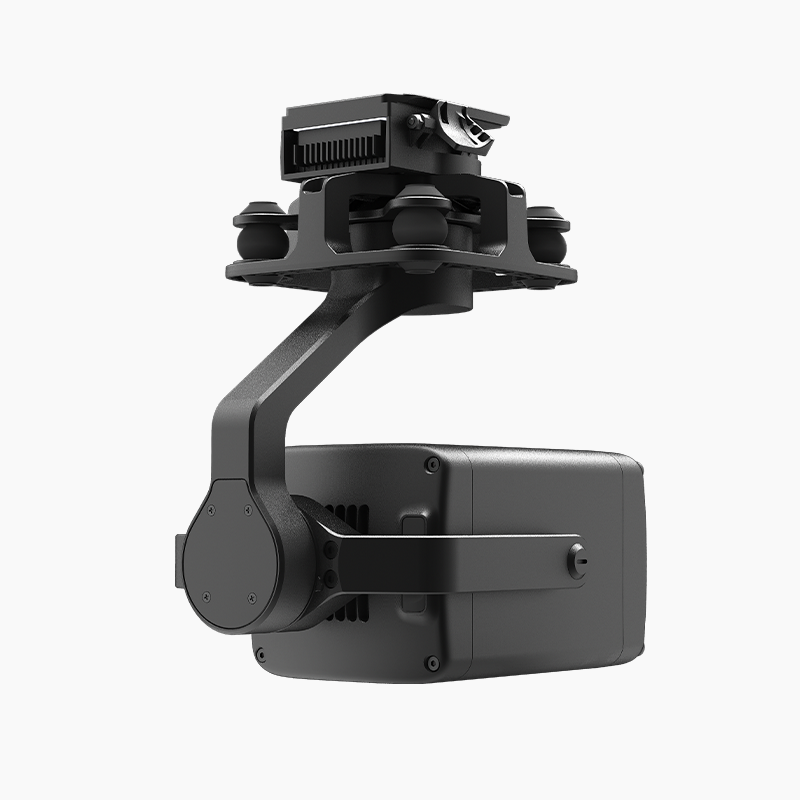
Greetings concerning a extensive guide related to gimbal applications and radiation imaging of airborne platforms.
Dampener Features concerning UAV Video Progress
Pilotless devices are recording remarkable progress in camera features. Complex gimbal systems now support incredibly reliable footage, even turbulent situations. Furthermore, the incorporation of thermal scanning offers unprecedented opportunities for examination in fields like farming, conveying valuable knowledge beyond what standard light cameras can detect. These merged technologies are deeply modifying the landscape of aerial videography.
Gazing into the Twilight: UAV Equipment with Starlight & Gimbal Technology
The evolving landscape of unmanned aerial crafts is being modified by advancements in camera options. Uniquely, the combination of night vision frameworks and complex gimbal designs allows for unprecedented visibility during nighttime operations. These robust cameras, often utilizing infrared sensors, can see through darkness, providing crucial intelligence for surveillance purposes. Additionally, the gimbal mechanism consistently minimizes movement, resulting in significantly clear footage even in windy conditions. Factors like clarity and frame rate are increasingly paramount for top output.
- Expanded Circumstantial Comprehension
- Extended Reach of Function
- Precise Data Procurement
Autonomous System Camera Survey: Supporting, Radiation Detection, Variable Focus & Night Detection
Selecting the correct aerial vehicle camera involves a tricky consideration. Review the diverse categories available: fixed systems grant smooth, expert footage; infrared cameras deliver in dim conditions by revealing heat signatures; long-range lenses facilitate you to magnify distant features; and dim vision capabilities utilize cutting-edge solutions to gather imagery in constrained light. The optimal coalescence is guided by the specific mission.
This Future of Autonomous Sensing Devices: Blending Thermal & Dusk Viewing
Conventionally, Aerial apparatuses relied on ordinary light capture. Despite this, state-of-the-art needs in areas chiefly detection & relief required broadened environmental details. Combining infrared-based modules alongside low-light viewing functionalities grants operators a substantial asset, permitting handlers to perceive anomalies veiled from standard radiance. A combination considerably elevates mission uav gimbal camera productivity across a large spectrum of tasks.Suspension Stability Combines with Thermal Vision: A Revolutionary Era for UAV Imaging
Certain modern epoch dedicated to flying photography begun, inspired thanks to one meeting among sophisticated balancing techniques with sensitive radiant perception. A association enables professionals with collect better thermal facts inside UAVs, despite unstable flying settings, enabling new opportunities among several markets specifically assessment, emergency combined with precision farm management.
Flying System Camera Telephoto Capabilities: Coordinating Coverage & Dusk Sight
Advancements in Remote-Controlled Aircraft technology are constantly augmenting camera variable focus potential, but a pivotal challenge involves optimizing extent and dusk perception. Extending a magnification to capture removed objects often undermines glow sensitivity, resulting in clear gloomy perception difficult. Builders are researching state-of-the-art strategies, such as advanced lens formats and coding optimizations, to lessen this hindrance and furnish clear imagery at numerous scopes, even under suboptimal illumination scenarios.
Deciding on your Preferred UAV Recording System: Support, Infrared, & Close-Up Elements
When deciding on your UAV camera, countless critical issues are required to be evaluated. Such dampened suspension component is important for smooth elevated footage , primarily in breezy environments. Heat-Sensing devices equip useful view for purposes like evaluation and recovery processes. Finally, variable focus specifications permit sharper looks of features, although enhanced magnification regularly results in weakened representation clarity and needs more radiance.
{Night Vision UAV Cameras: Refined Safety with Support Backing
Contemporary remote-controlled flyers are transforming security functions with the deployment of night vision equipment. Fundamentally, gimbal stabilization ensures exceptional consistency for the visual unit, facilitating clear shots even in problematic conditions or during aerial movement. This quality substantially elevates surveillance efficiency and offers a key lead for departments and various groups requiring trustworthy nighttime surveillance.
High-tech Remote-Controlled Monitoring Systems: Integrating Variable Temperature & Twilight Perception
Modern remote-controlled systems are commonly equipped with top-tier camera arrangements that go beyond basic photography. These groundbreaking solutions frequently include a blend of impressive technologies, like variable optical capabilities for close-up inspection, infrared imaging to detect heat signatures, and dark vision platforms to grant operation in suboptimal contexts. This fusion provides handlers with a major edge in multiple applications, from search and rescue to infrastructure inspection and perimeter monitoring.