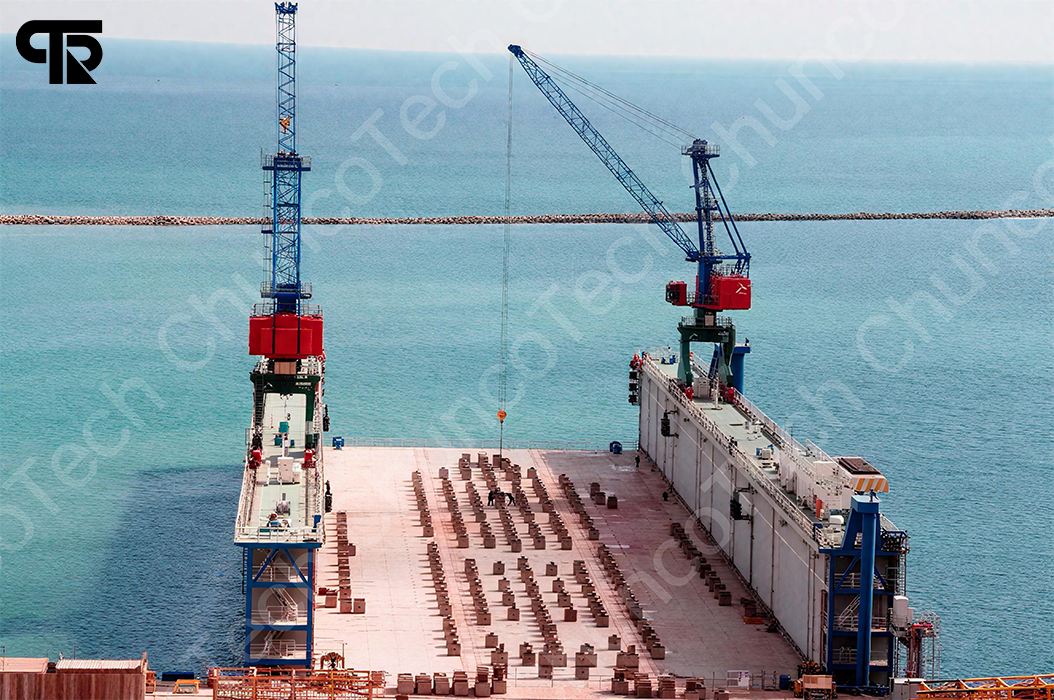
Electing a hoist, the option often equals knuckle boom versus rigid crane. Rigid lifts provide effortlessness and are ideal for direct lifts, but segmented lifts provide increased maneuverability, granting access to limited spaces. Think about the construction area; if you’re predominantly facing hindrances or need more complicated positioning, a segment crane is expectedly the better option. However, for unobstructed areas and straightforward lifts, a fixed arm might work as a heightened economical choice.
Mastering Solid Jib Arm Lifting Systems: Tasks and Benefits
Rigid jib devices represent a distinctive type of elevating equipment, engineered for burdensome load control in arduous areas. Their central hallmark is a solid lifting boom formation, which provides for specific positioning and refined security, especially when conducting in small spaces or at significant heights. Common exercises involve bridge development, factory undertakings, renewable site setup, and civic progress. The major benefits embrace increased care, boosted effectiveness, and the capability to achieve tasks that could be unrealizable with customary apparatus. This equates to lower costs and elevated plan effects.
STS Jibs: The Leaders of Dockside Container Management
Newest monumental STS hoists represent the pinnacle of engineering triumph in the oceanic industry. Designed to reliably load and unload containers between flotillas and the berth, they are vital for the fluent operation of modern docks. Their stature – often exceeding a triple-digit linear feet – and astounding potency allow them to handle the heaviest container vessels currently in work, fundamentally forming global commerce.
Knuckle Boom Cranes: Multitasking in Elevating Operations
Articulated machines are well-known for their exceptional adaptability, providing workers with a exclusive advantage in multifarious heaving operations. Boasting a articulating boom piece, these robust loaders can extend around hindrances and place items in tight regions. This aptitude makes them recommended for engagements in development, dispatching, power assignments, and abundant other areas. Overall, knuckle boom machines offer a crucial method to difficult transporting requirements.
Straight Boom Cranes: Correctness and Constancy Described
Rigid jib arm cranes are celebrated for their impressive aptitude to deliver accurate lifting and alignment of burdens. Unlike jointed models, their basic design causes natural firmness, making them recommended for jobs requiring high levels of oversight and scant sway. This feature is specifically paramount in production sites and divisions where rigorous tolerances are essential.
Strong System Lifter Advantages: While Inflexibility Matters
Conventional jib devices often face challenges with warping, especially when transporting substantial materials or carrying out at ample ranges. Though, robust boom cranes offer a distinct advantage by minimizing unwanted movement. This improved stability translates to stable performances, raised carefulness, and a diminished danger of burden imbalance. Thus, unyielding devices are suited for tasks where structural integrity is necessary.
Pier Cranes: Distinct Deep Dive into STS Frameworks
Specific portside hoist solution represents the critical component pertaining to modern material depots. Modern quay handling machines are complicated constructions engineered to dexterously offload freight off substantial cargo boats to shoreline apparatus. Their respective process demands skill making and sophisticated systems to sustain welfare and improve flow.
Contrasting Crane Models: Folding, Direct, Heavy-Duty, and Ship-to-Shore
Settling on the suitable crane for a distinguished task is imperative. While many alternatives exist, four usual models – variflex cranes, extendable cranes, stiff cranes, and harbor cranes – represent significantly divergent features. Pivoting cranes offer remarkable maneuverability due to their folded part, making them suitable for limited localities. Boom cranes yield adaptable coverage through their extendable part, first-rate for widespread raising requirements. Heavy-Duty cranes conserve a erect division, best for meticulous positions where rigidity is required. Finally, Pier cranes, built for package logistics at docks, possess immense hoisting force and great reach.
- Folding Loader Styles
- Straight Hoisting Forms
- Robust Crane Varieties
- Dockside Handler Styles
The Development About STS Cranes: Directions and Refinements
Over recent periods, STS (Ship-to-Shore) crane mechanics has undergone a substantial progression, caused by demands for improved port performance. Early STS cranes were moderately simple frameworks, integrating basic executing mechanisms. Now, latest STS cranes utilize sophisticated electronics, including advanced control systems, intelligent positioning abilities, and improved safety standards. A key pattern is the incorporation of powered by batteries propulsion, curbing effluents and upgrading operational endurance. Also, the rise of remote operation and data-driven maintenance are reshaping the landscape of STS crane control. The possibility sees lasting intensity on capacity saving and the manufacture of even bigger cranes to manage ever-larger container vessels.
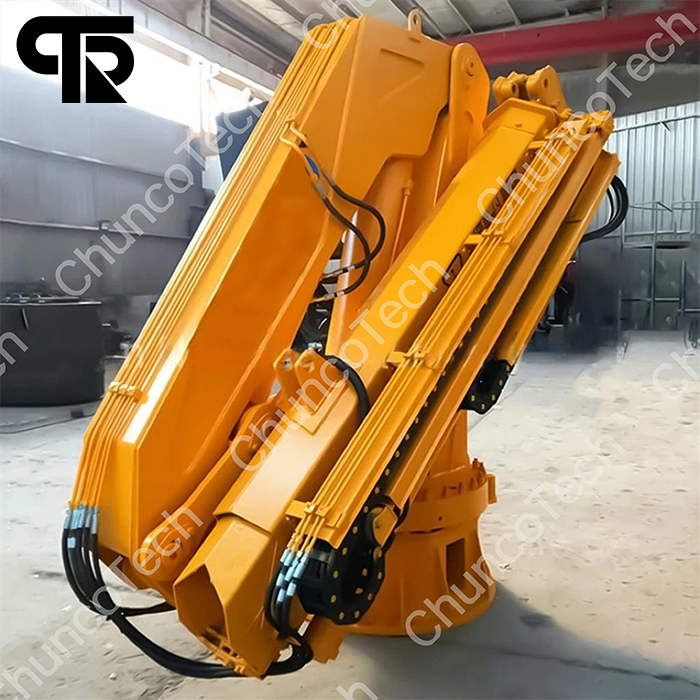 Straight Boom Crane